Alaska: Full Immersion
Like many others in the ski world, I too had plans to go to Alaska this spring. On an early October morning, a friend called me up, asking if I’d like to join a trip to a magical place, where mountains stand like frozen cathedrals and winter seems to stay still, most of the year round. I have always wanted to go up there, but I told myself each year to wait. “I will go to Alaska when I graduate from the mountains of BC,” I would tell myself often. It is a place with consequential lines and not much room for error. I wanted to go when I was fully ready.
I think the past 2 years in BC, I have been longing for new inspiration. I felt a little bored on the Coast, having done everything I wanted. A lot of things were ticked off my list. I was looking for new projects that would inspire me. I would find myself “guiding” a lot to places I’m all too familiar with, and not truly feeling like I was pushing my limits. I believe that too much time in a comfort zone leads to a stagnant life. Going to snowboard in Alaska seemed a reasonable next step in my journey of life. I felt ready, and I felt skilled enough.
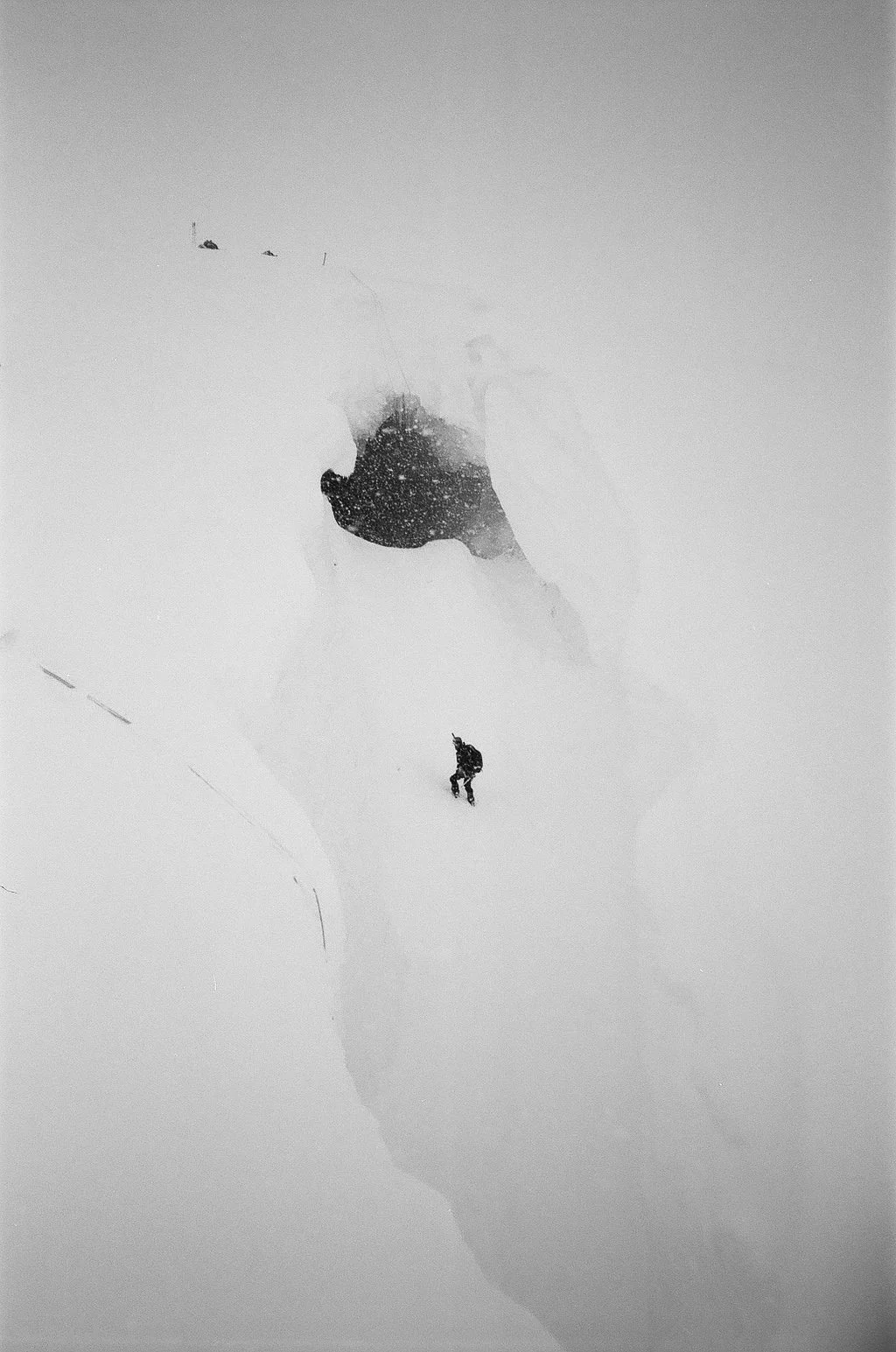
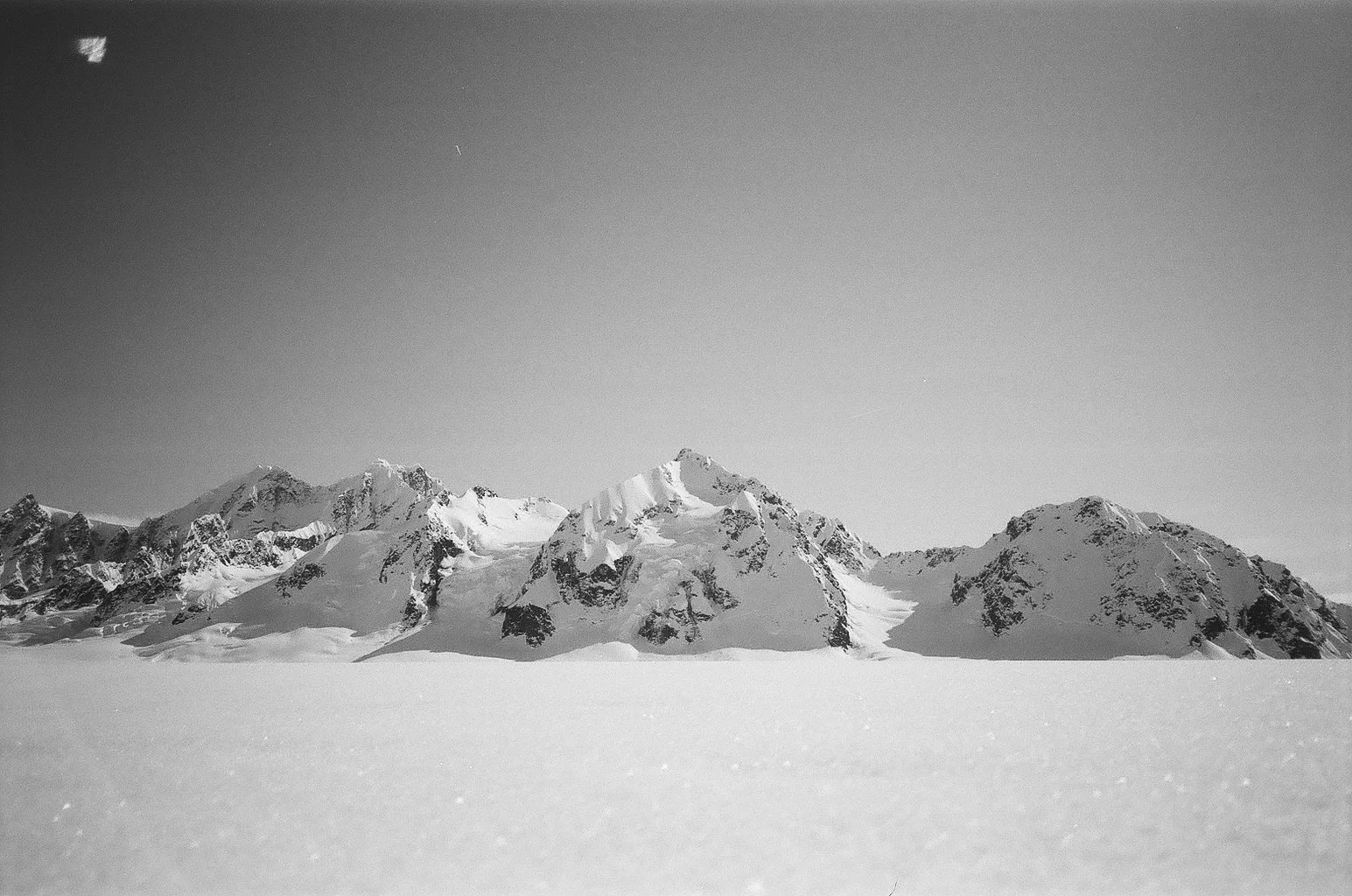
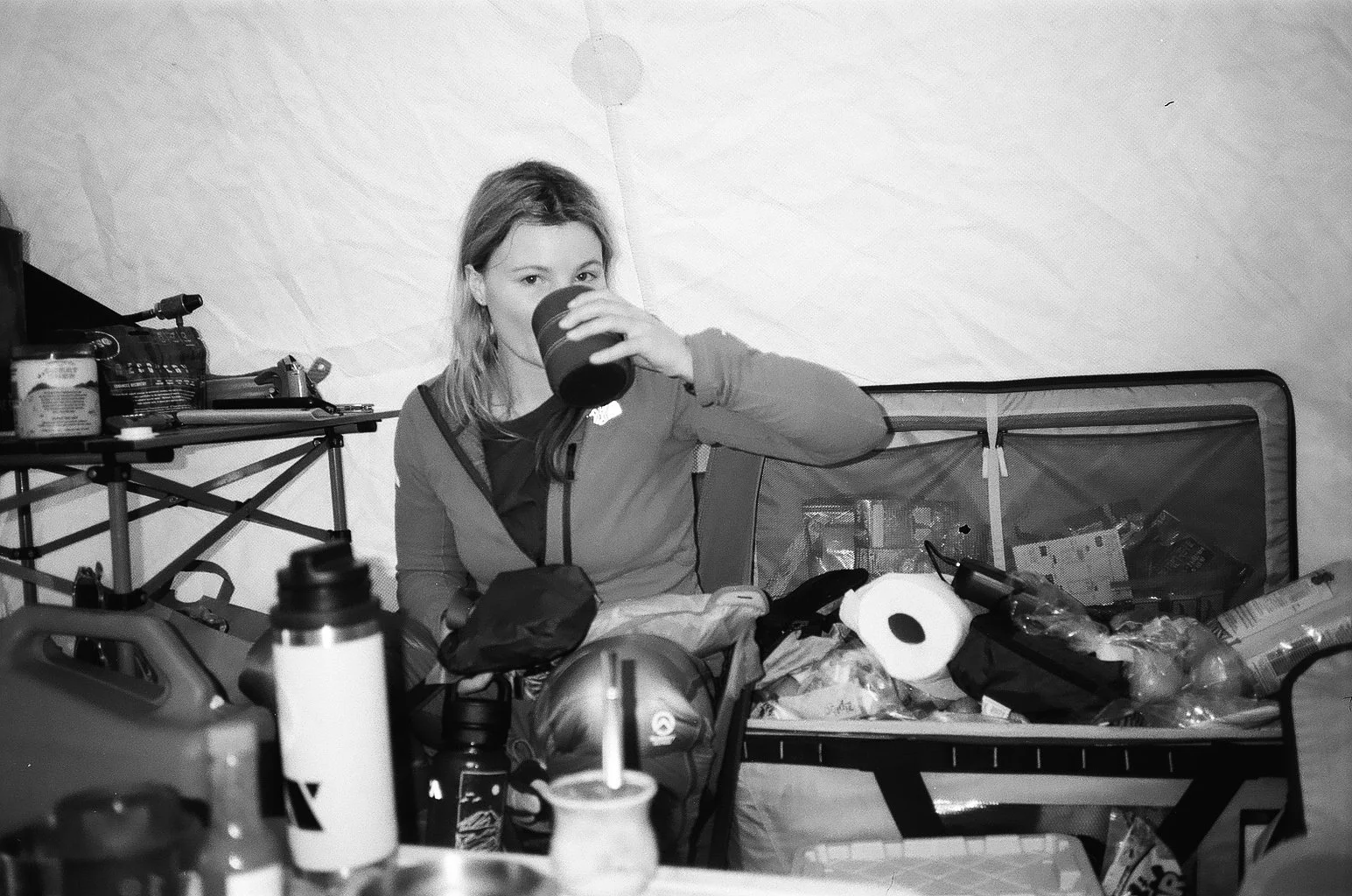
Planning Alaska
As fall went on, I got busy with some trips to Patagonia (Cordillera Darwin) and climbing in Argentina. I decided to have no rush of starting my winter in North America, there usually isn’t any good snow until January anyway. And to enjoy a little slice of early summer in Patagonia is good for my soul. For the past couple of years, I have been successfully avoiding the early season and enjoying the snow until the end of May! I used to chase winters on both hemispheres, but the darkness, the cold, and the constant time on snow were too much for me. Competing in both winters was burning me out. I need summer, I need the sun, I need to walk barefoot and dive in crystal blue waters to cool off. For my mental health, I need both – the perfect balance.
The trip to Alaska turned into a small film project, and that comes with a whole other set of responsibilities. The uncertainty and non-commitment from the other two original members of our team left me wondering if it was even meant to happen this year.
I still wanted to do it and go for it. A couple of months out I decided just to plan it myself! We planned to spend a couple of weeks on the glacier, camping out and seeking lines that inspire us. So my task list was pretty simple!
Find a pilot
Research a good zone
Find a crew
Plan for weather windows
Figure out the costs
My ability to handle these logistics is quite high so this part of the project I actually enjoyed. As the winter went on, the season wasn’t looking good anywhere in the world, same goes for Alaska. Everyone that I talked to advised me to come next year. No good feedback, yet people were enjoying the good snow? There were many places where other crews found good snow and stable conditions. The general spookiness around the snowpack was widespread – but Alaska is huge! One zone can have good conditions, and the zone next to it can be completely different. I understood where people were coming from and I respect everyone’s different perspectives. But at the same time, if you don’t go – you don’t know.
The more I chatted with other people, the more I realized there is a different mentality spreading within the ski community. It felt like, for many, the goal wasn’t the experience anymore, it was the outcome. Chasing clips, steep lines that film good, only going for the shot. There was less interest in going out just to move through the mountains, to explore, to see what you’d find.
I kept hearing the same things: “We’re waiting for better conditions.”“We’ll go when it’s safer.”“We need a guide for that zone.”
And I get it, there’s a time and place for all of that. But it also felt like something had shifted. Like people didn’t want to go unless everything was dialed: perfect snow, perfect stability, the right crew, the right objective… or a camera rolling. Which is impossible to predict, no matter how much you plan. I think conditions are always a gamble, you can plan all you want and go during an amazing season but still get shitty snow. The snowpack is different every year, it has to be studied with precision and accuracy on each individual spot because one zone can vastly differ from the next.
There was this underlying idea that you shouldn’t go without a guide, that you couldn’t go without a guide.
And maybe for some, that’s true. But for me, that’s never been the point.
Because if you wait for perfect conditions, or for someone else to tell you it’s okay, you might never go at all. I don’t want to spend thousands of dollars of my own money to follow someone else up a mountain. If I cannot get up that mountain by myself, then I probably shouldn’t be there. Like I said, time and place. Time and place. I don’t want to sound like a hypocrite—because I’m part of that world too. I film. I document. I care about capturing moments and sharing them. On an organized commercial or film shoot with a big budget, where the only goal is to stack clips and lines, having a guide is not only smart but necessary from a liability perspective.
But that’s not the reason why I wanted to go spend time in Alaska. My personal goal for the expedition was FULL IMMERSION.
Into the zone, into conditions, the snow, weather, stars. Self-reliancy and full immersion.
If anything, filming has always been secondary to me. A way to remember, to tell a story after the fact, not the purpose of the experience itself.
So it’s not about judging anyone else’s approach. I’m just noticing the shift and recognizing that I don’t fully fit into it anymore.
Because at the end of the day, I still want to go, even if no one sees it.
The crew that said yes
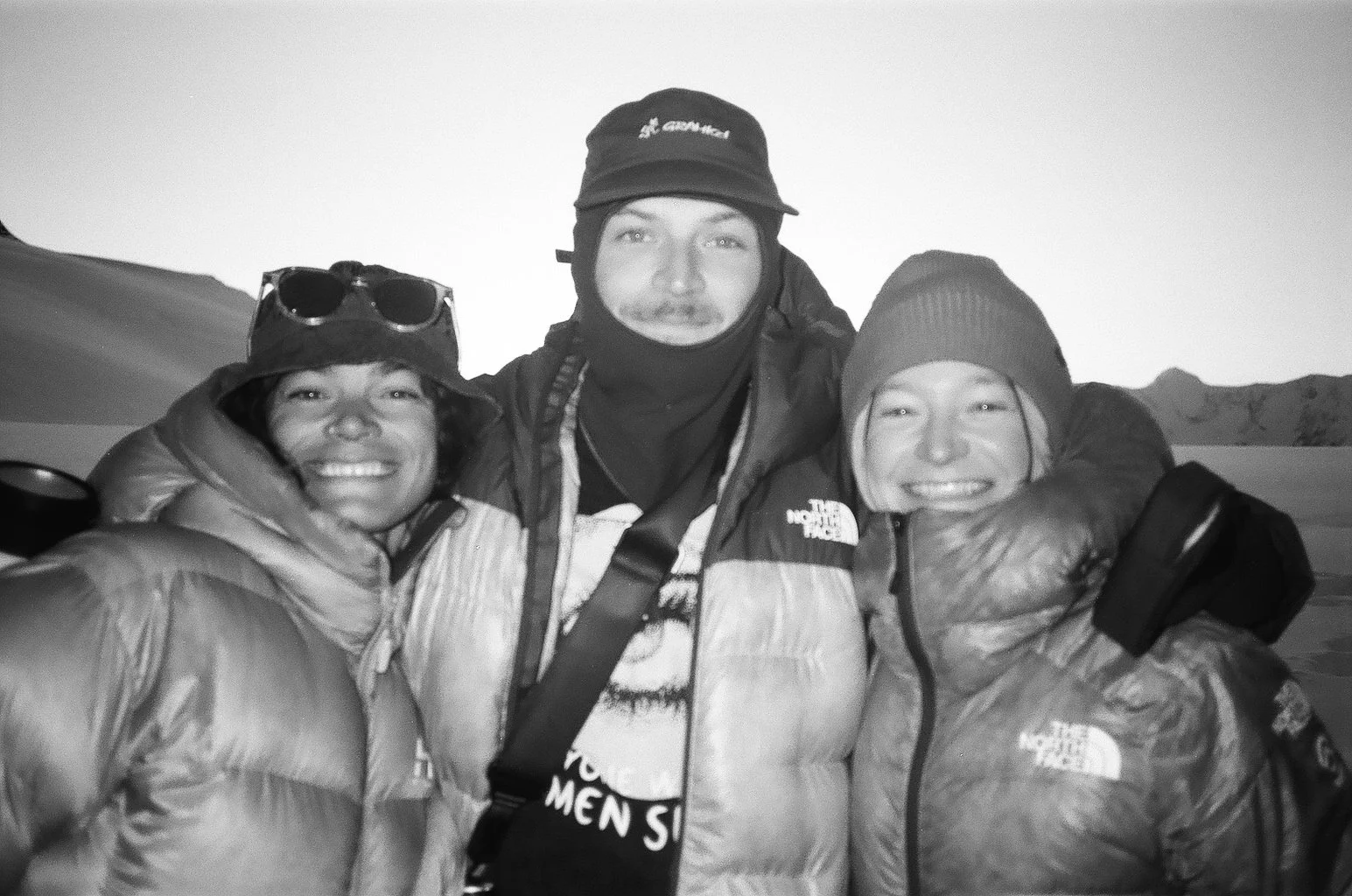
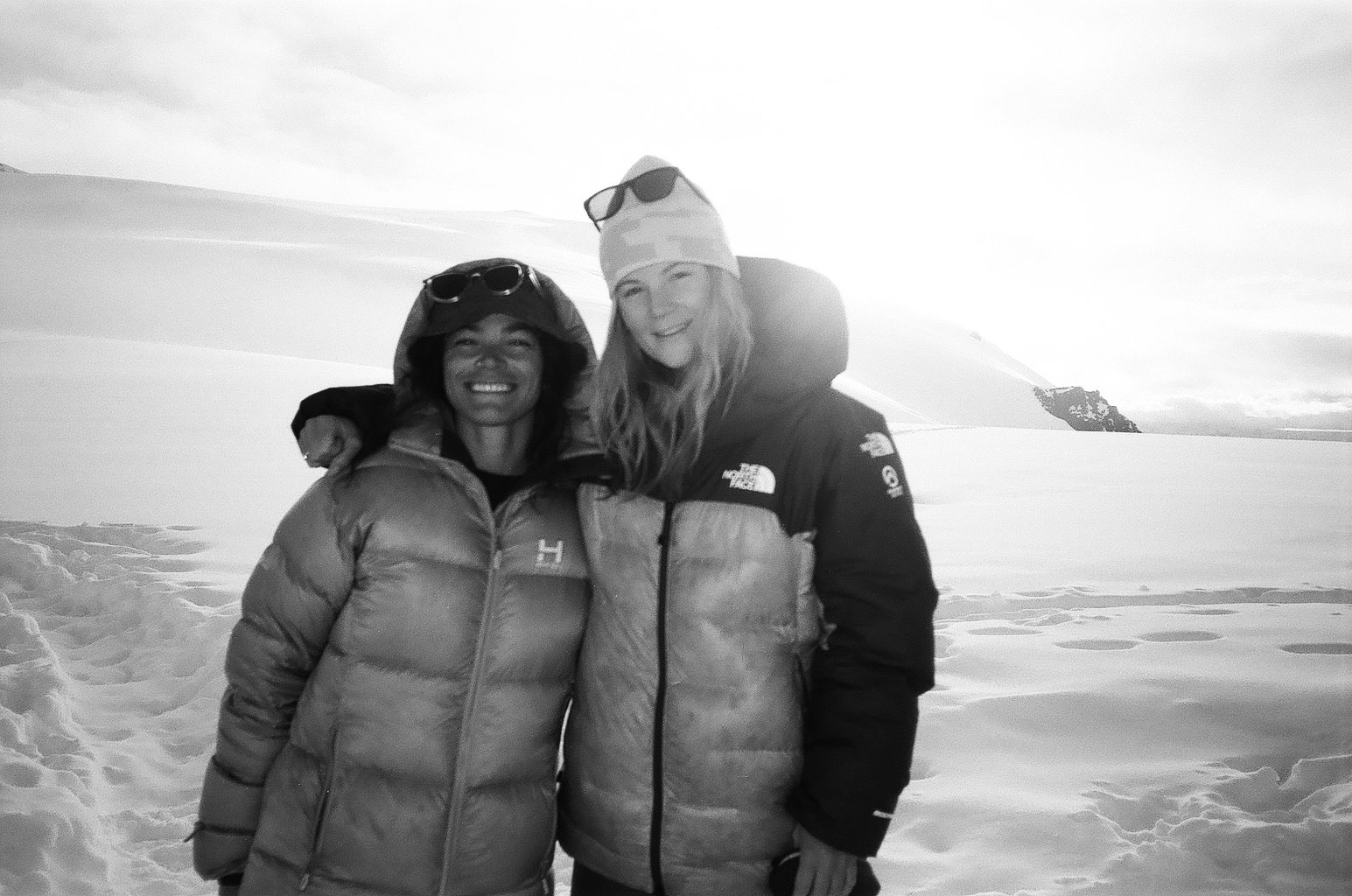
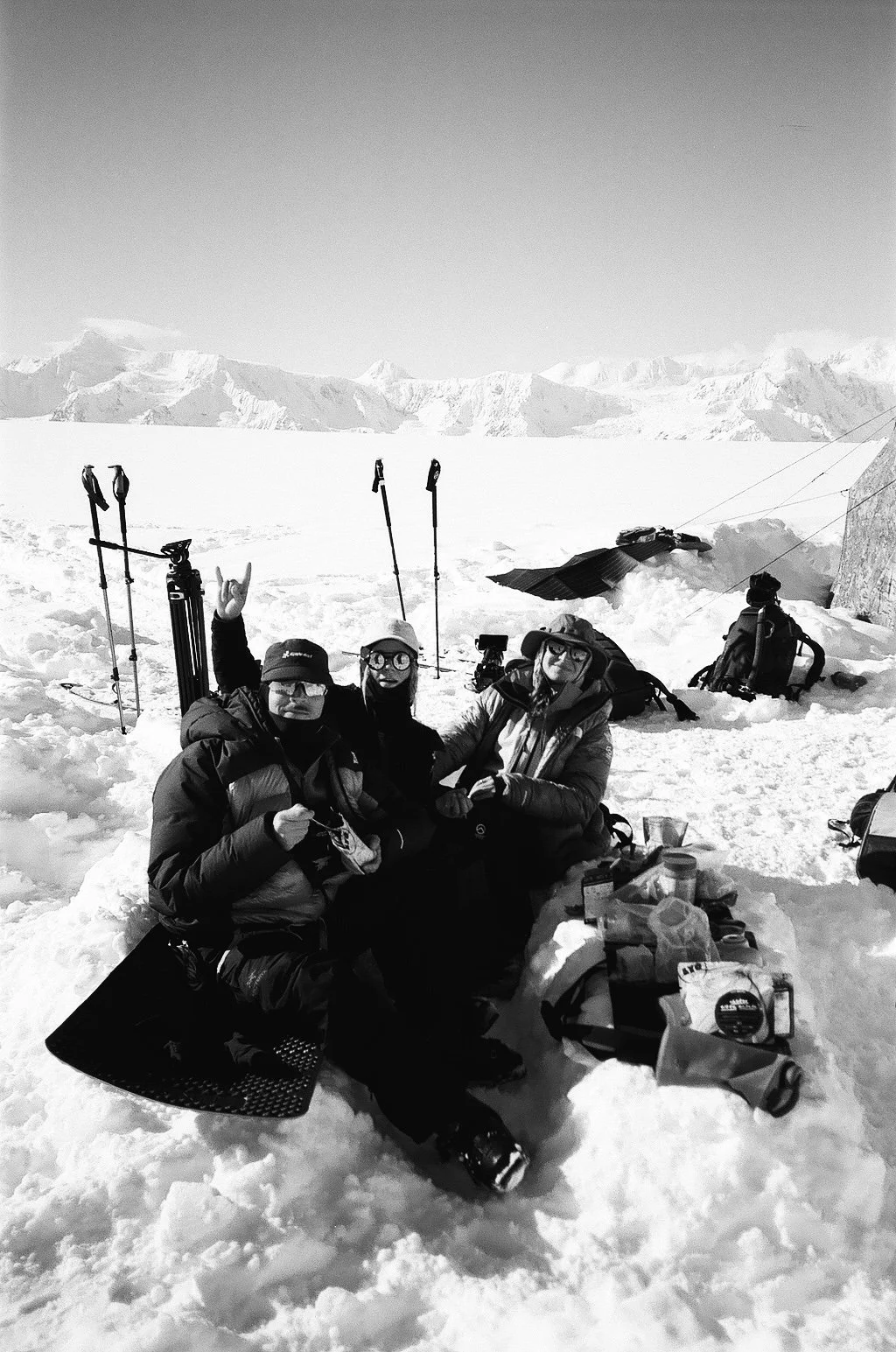
Believe it or not, only 5 days prior to our departure – everything fell into place. I decided to make it happen. I knew that we might be spending a lot of time and money and not have good conditions, but I also knew the opposite was possible. You need to be present to win.
Deep down, something was telling me to go for it and make it happen. So I did. I bought the flights for myself and Josh Goodman, the lucky guy who joined us as a filmer on this all-women crew! Little did he know what he was getting himself into.
Since my old crew fell apart, due to instability and the quality of conditions, the hardest thing was to find a new crew. Finding a good partner is not easy; you have to balance their skillset and experience, matching yours, but you also have to align on objectives and somewhat align on risk tolerance. Making the pool even smaller, my goal was to go out with women.
The two bright sunshines that joined me in Alaska on very short notice were Sole De Las Nieves and Carly Lucas. Our crew was magnetic. From the moment we got together in Anchorage to the moment we said goodbye after a few weeks together, things could not have gone better! It was pure magic. We had an amazing chemistry on and off the mountain, respectful, open communication and good vibes on down days. There was zero conflict and it felt like the whole trip was pure flow.
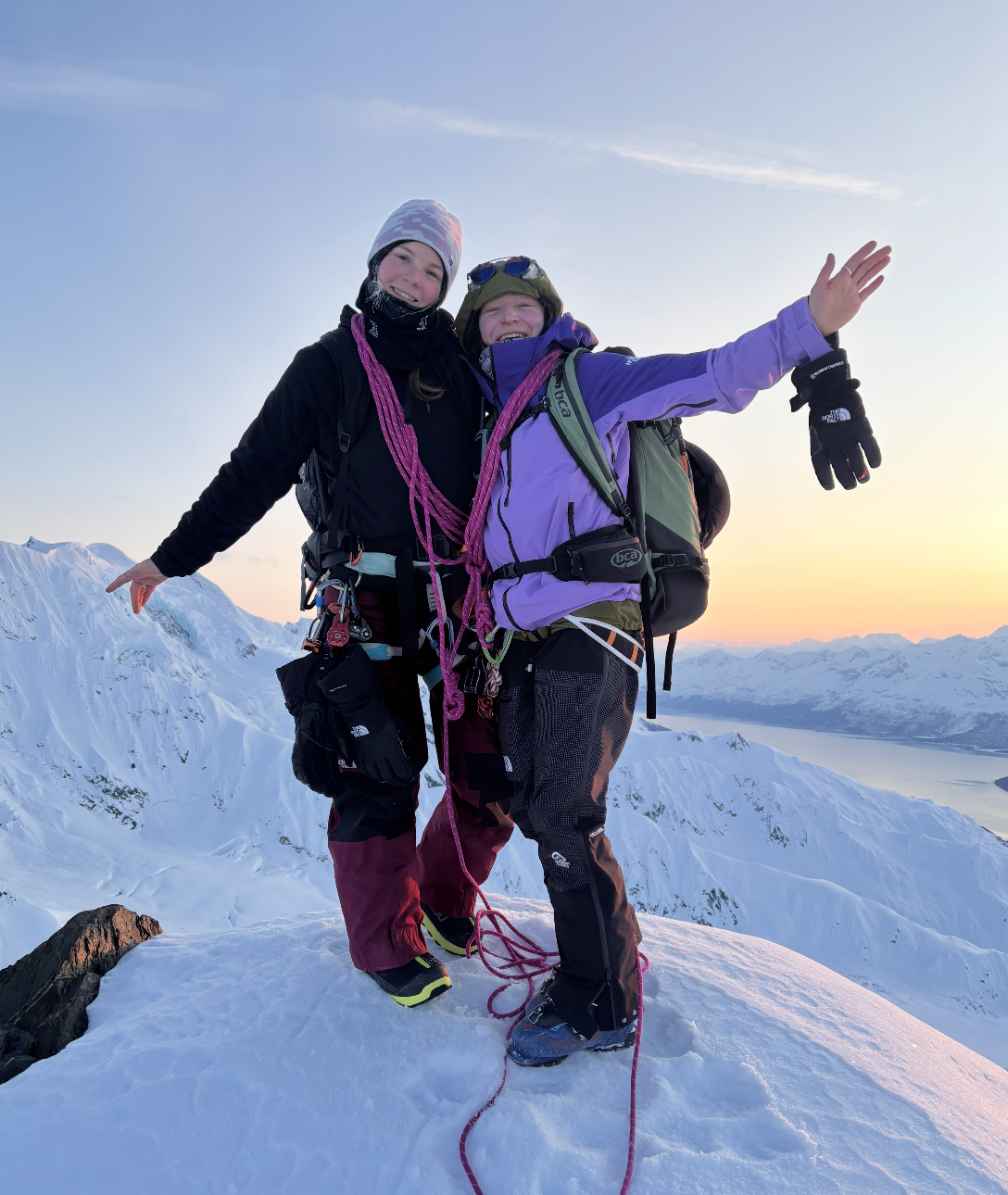
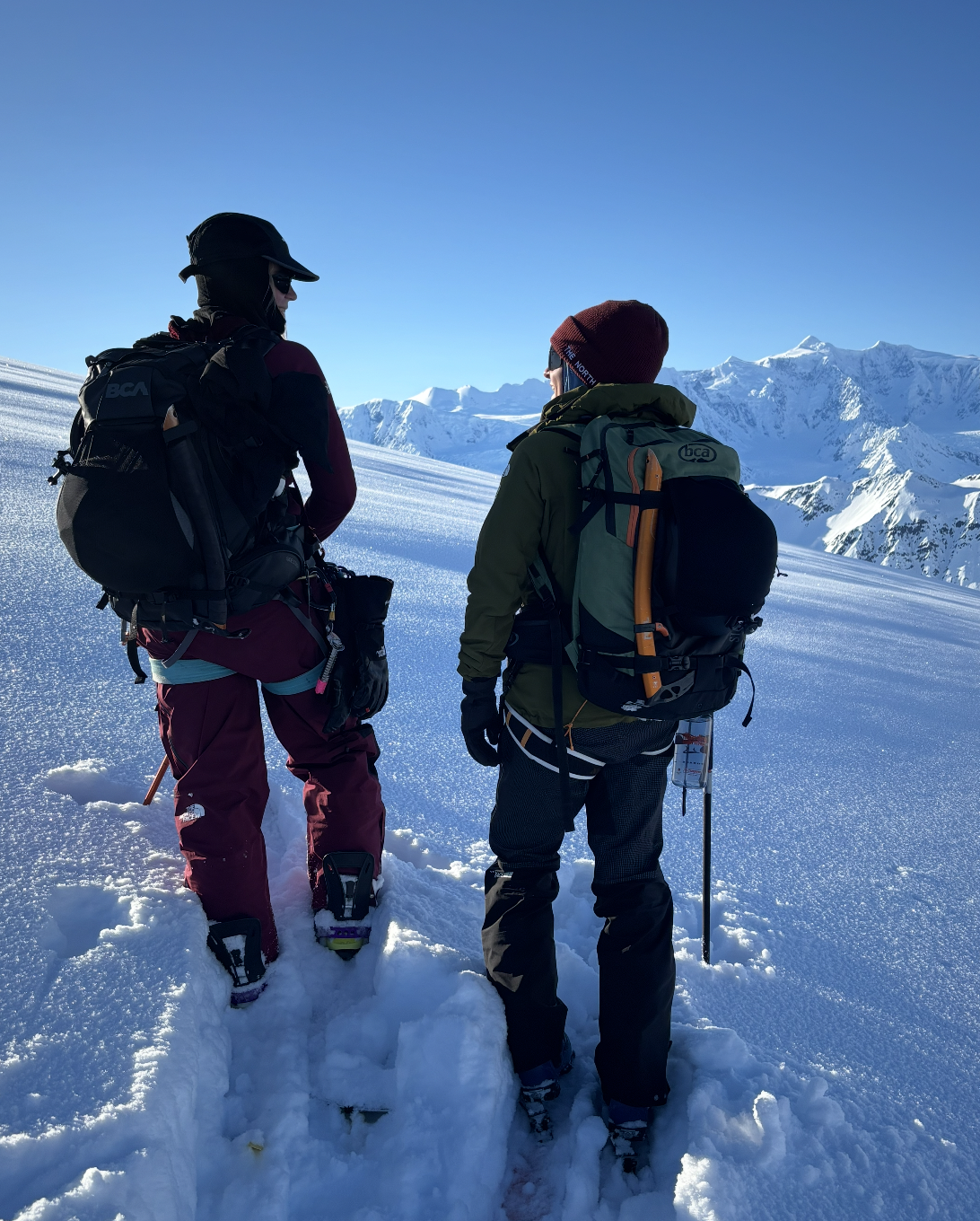
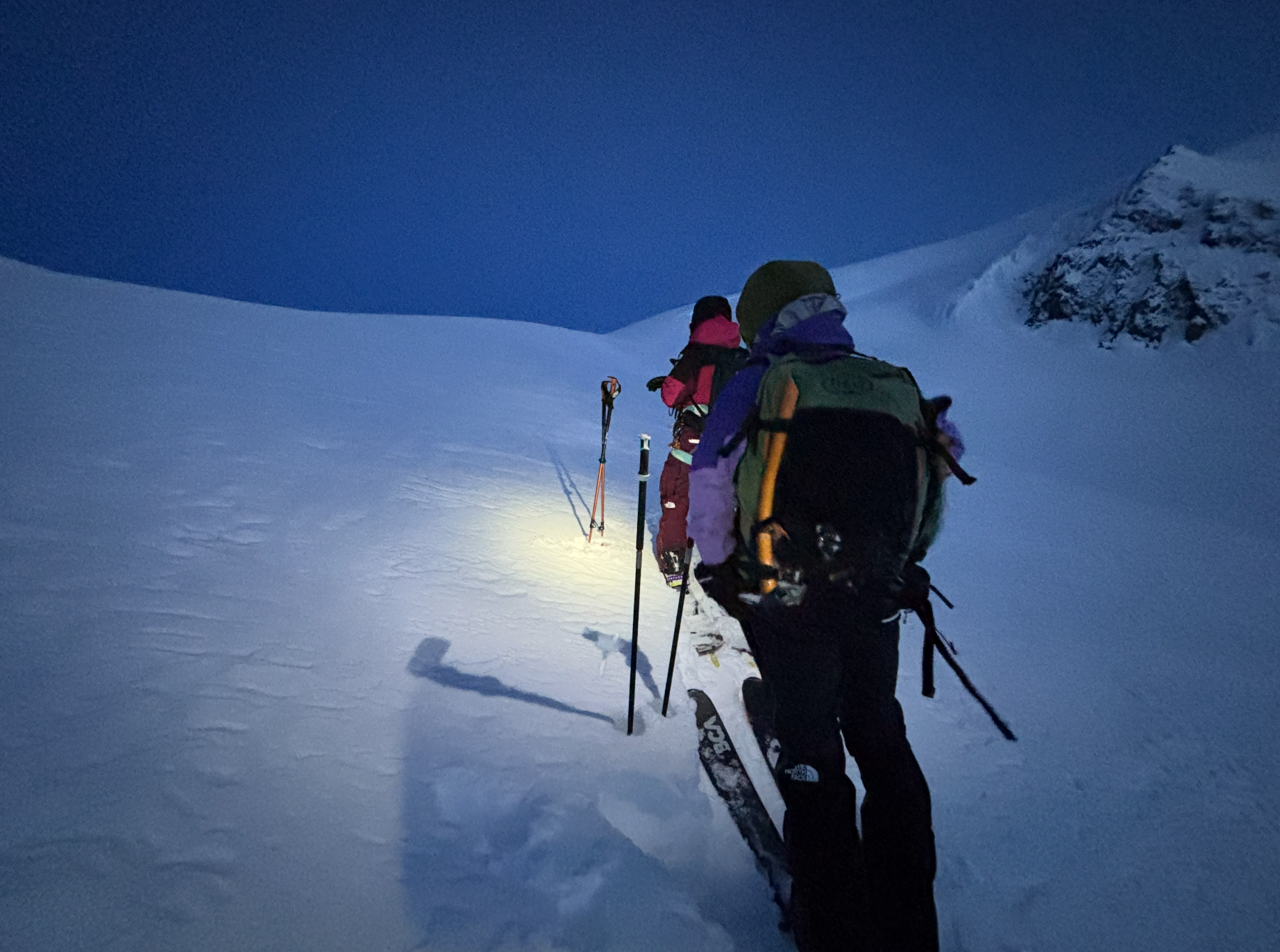
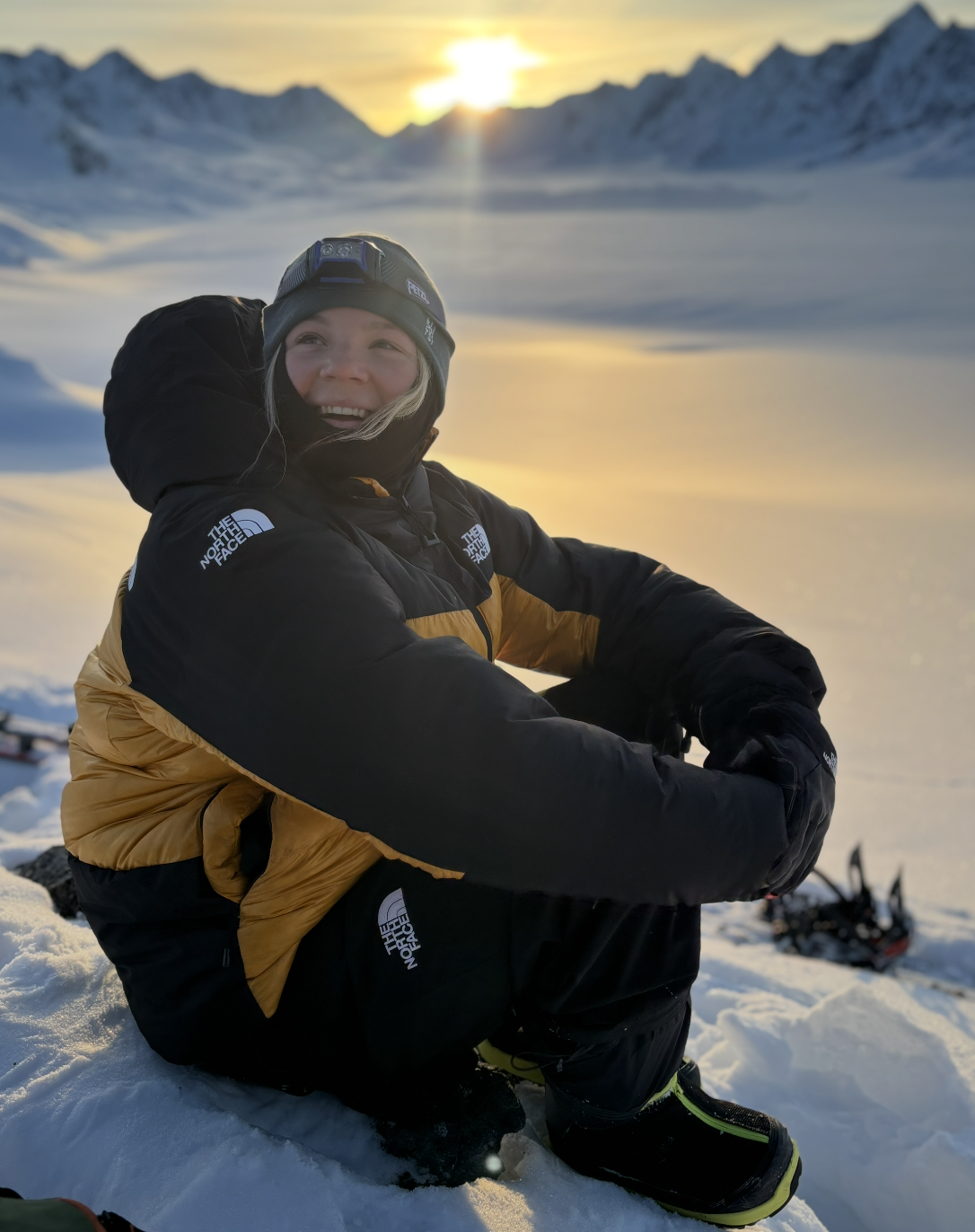
I knew that after experiencing Alaska, my life would change forever, and I was right. We rode amazing powder every day, the snow was stable for 2 weeks, and the majority of our days were sunny and without wind. We did not observe any signs of instability, and we rode all the aspects, different elevations, and different types of terrain. I’m grateful for the local intel from the pilots who brought us up on the glacier, because their recommendations on the zone were spot on.
I learned a few very valuable lessons on this trip!
Must be present to win
Aligning on values is more important than aligning on a skillset
It will always be a gamble, you don’t know if you don’t go
Don’t trust random pilots in Alaska
Have a good back up (resources, pilots, team)
My recommendations if you’re planning a trip to Alaska
Lessons learned on these trips are priceless. If you have come this far on my post, then you must be really interested. If you want to go explore Alaska - this is what I would suggest:
Choose a good, reliable pilot – I recommend Matt from Goat Mountain Air
Go for longer than you think you need
The weather in Alaska doesn’t care about your timeline. Storm cycles, flat light, and high winds can lock you in your tent for days. A short trip means a high chance of sitting and waiting. Give yourself a real weather window; this is everything.Be comfortable with uncertainty
Conditions change fast. The “zone” you came for might not deliver. Be open to adapting objectives, or even redefining what a good day looks like.Build a strong, self-sufficient team
You’re remote. There’s no easy exit. Go with people you trust—not just as skiers or riders, but as decision-makers and humans under stress. Compatibility matters more than a skillset!Don’t rely on beta, but learn how to read the terrain yourself
Information is limited and often outdated. What you heard two weeks ago might not apply anymore. Route finding, glacier travel, and snowpack assessment are essential skills.Respect the scale
Everything is bigger: crevasses, avalanches, exposure, consequences. Give the mountains more margin than you think they deserve.Bring good food - choose freeze-dried meals, and not dehydrated ones. I highly recommend bringing a good stash of LYO Food meals. They have soups, main meals, desserts, protein powders, snacks, fruit, and cheese. It’s all food that someone would cook at home. Real ingredients, real food. For a good experience on the mountain, you want good digestion and clean food. LYO is the best :)
Prepare for glacier travel
Rope systems, crevasse rescue, navigation in whiteout conditions, this isn’t the place to be figuring things out for the first time. Practice before you go.Bring extra food and fuel
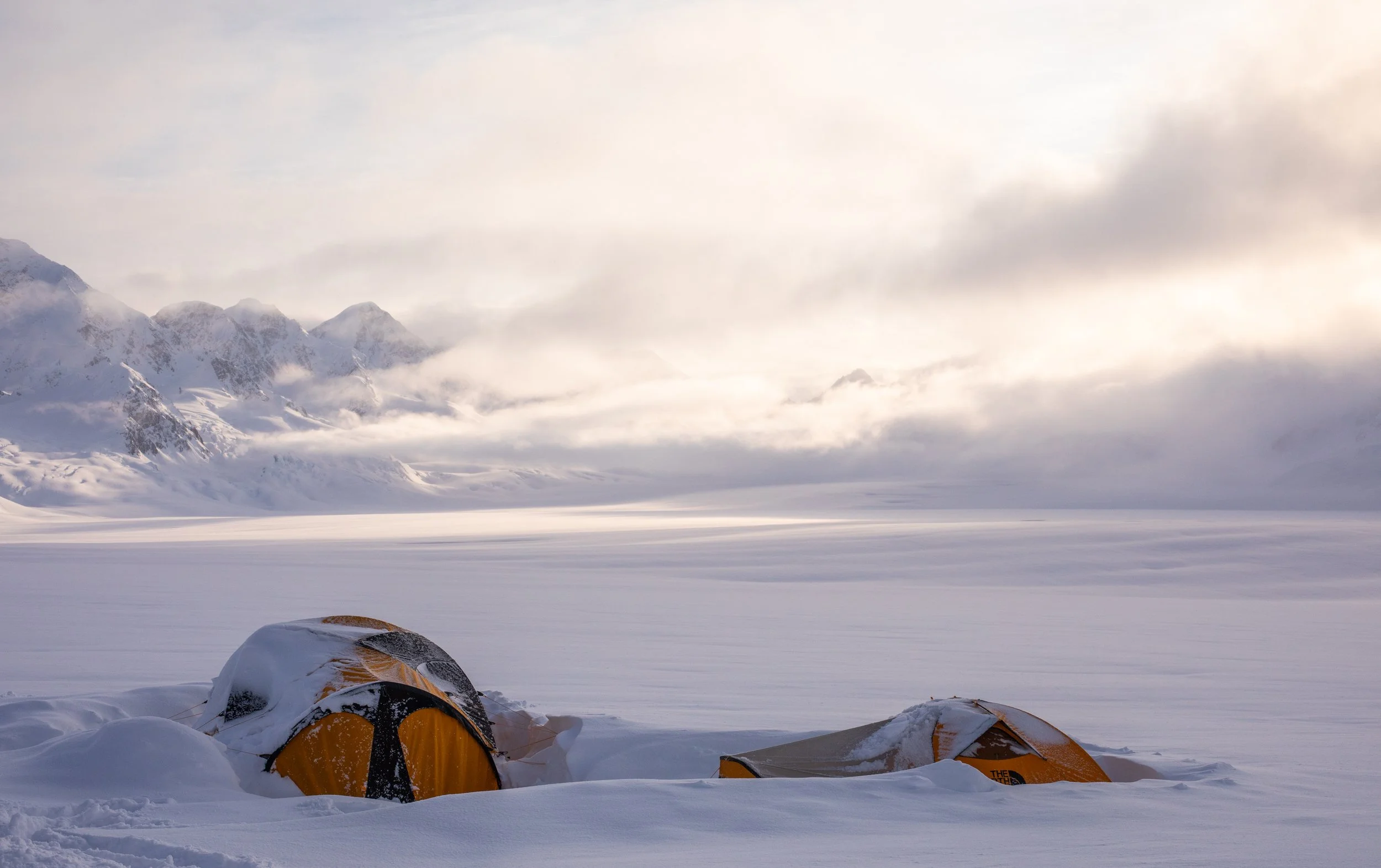
Storm days = more time in the tent = more fuel burned melting snow and staying warm. Underestimating this is one of the easiest mistakes to make. We got ‘stuck’ on a glacier for a few extra days but stayed comfortable due to our resources.Take care of your camp setup
Your tent is your home, your safety, your recovery space. Build solid walls, anchor everything, and stay organized. A chaotic camp drains energy fast. The North Face gear is the best, most reliable, and durable gear on the market!Be ready for long periods of waiting
Patience is part of the experience. Some of the best days come right after the longest storms, but only if you’re still there when it clears. We got lucky and we only spent 2 days in camp out of a couple of weeks. But I know a crew that is out there right now and they are pushing on week 3 of storm.Have a reason to be there beyond skiing
You might not ski as much as you expect. Weather, stability, or visibility can shut things down. If your entire trip depends on “getting lines,” you’ll miss out.Consider whether you need a guide or not?
It doesn’t matter what I said earlier. Everyone is different. There’s no right answer here. A guide can open doors and add safety, especially in complex terrain. And going without one demands a higher level of responsibility, experience, and decision-making. Be honest about where you stand and what kind of experience you want.Lastly:
Alaska doesn’t reward pushing for the sake of it. The best call is often turning around, waiting, or choosing something smaller.


Keep in an eye out, in the fall months – for when our film project comes to life. Telling the full story of what happened on that glacier in Alaska.
Thank you for reading. If you want beta, recommendations / contacts / places – you are welcome to reach out and I would be happy to help.


