Ski Touring in Bariloche: The Ultimate Guide to Patagonia’s Backcountry Playground
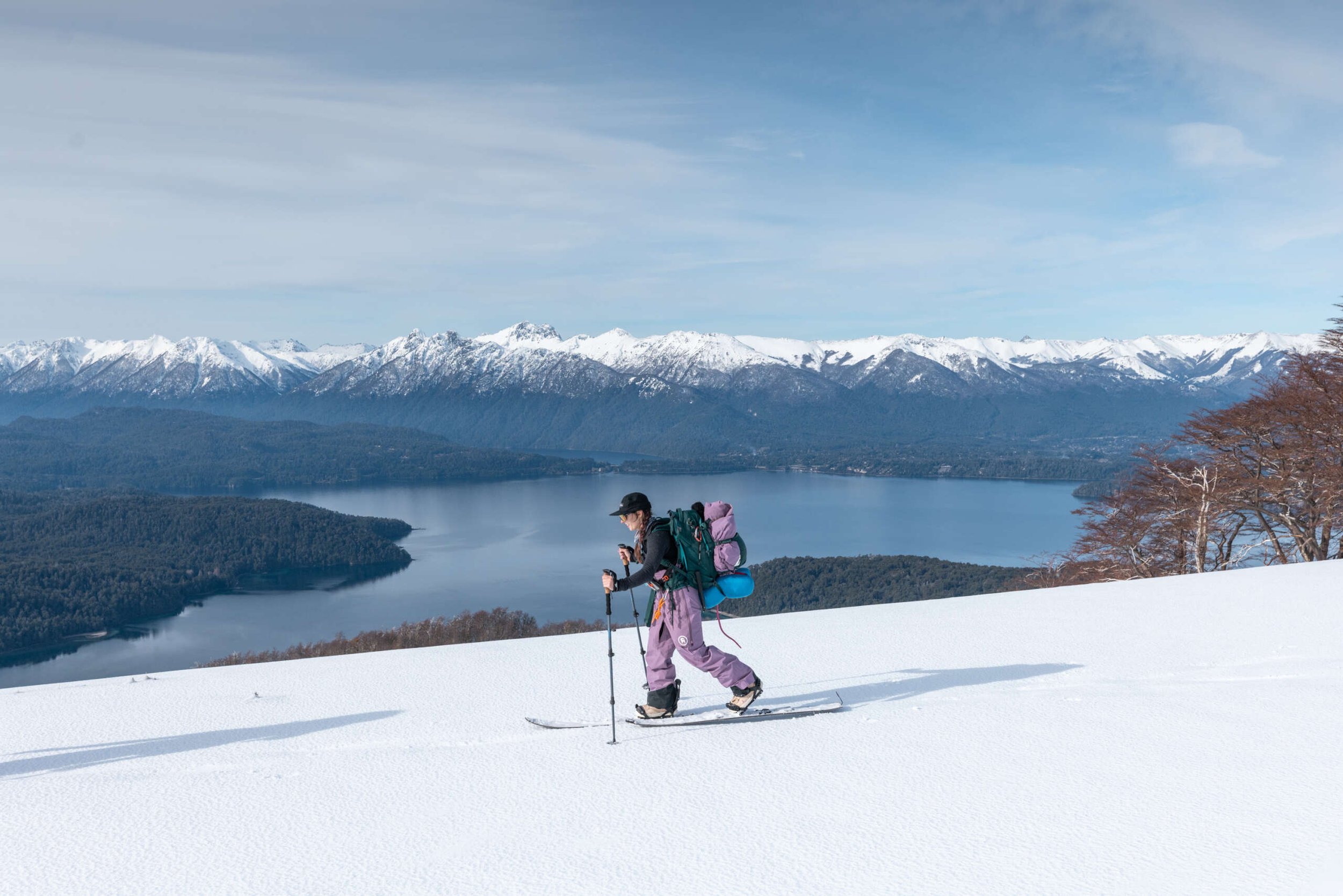
Perched in the rugged Andes of northern Patagonia, Bariloche is a dreamscape for backcountry skiers. Think massive snowfields, jagged granite spires, cozy refugios perched above turquoise lakes, and powder stashes that stretch for days.
Whether you're new to ski touring or a seasoned alpinist looking for untouched lines, Bariloche offers an unparalleled mix of terrain, culture, and wild remoteness — with a post-ski meal of local Malbec and grilled provoleta to seal the day.
Here’s your ultimate guide to ski touring in and around Bariloche, including day tours, overnight traverses, where to eat, and who to hire if you want to go with a guide.
Where Is Bariloche?
San Carlos de Bariloche sits on the edge of Nahuel Huapi National Park, framed by the Andes to the west and deep glacial lakes to the east. It’s accessible by direct flights from Buenos Aires and has an active mountain culture year-round. Winter runs from late June through mid-October, with prime touring from late July to early September.
Best Ski Touring Routes Around Bariloche
Here's a breakdown of the best ski touring trips, ranked by difficulty, commitment, and magic factor — from accessible single-day outings to hut-to-hut epics.
1. Cerro López (Day Trip)
⛰ Difficulty: ★★☆☆☆
🎿 Commitment: Moderate
🥾 Vertical gain: ~1,000 m
📍 Approach: Trailhead ~45 min from Bariloche
A classic local peak that’s easily accessed but still offers real backcountry feel. The route begins through lenga forest before opening up to long mellow bowls. The Refugio López offers shelter if the weather turns, and the summit gives panoramic views of Lago Nahuel Huapi. NOTE: the bottom of the trail usually doesn't have much snow coverage - you might have to boot pack a little bit.
Best for: Intermediate ski tourers wanting a solid day tour with options
Bonus: Can ski directly to or from the hut if staying overnight
2. Refugio Frey + Valle Van Titter (Day or Overnight)
⛰ Difficulty: ★★★☆☆
🎿 Commitment: Moderate
🥾 Vertical gain: ~1,100 m
🛌 Hut: Refugio Emilio Frey (optional)
One of Patagonia’s most iconic spots. Accessed from the Cerro Catedral ski resort (via lift or touring from the base), Frey is nestled among sharp granite spires and cirques ideal for ski mountaineering. Spend the night in the cozy Refugio Frey for a longer tour into Valle Van Titter, which holds excellent powder.
Best for: Intermediate-to-advanced skiers who want aesthetic lines with an overnight hut vibe
Bonus: The hut is staffed and serves basic food and wine
3. Laguna Negra Traverse (Frey to Laguna Negra to López – 3–4 days)
⛰ Difficulty: ★★★★☆
🎿 Commitment: High
🥾 Vertical gain: 2,000–2,500 m total
🛌 Huts: Frey → Jakob → Laguna Negra → López
This multi-day traverse links several backcountry huts via high cols and hidden valleys. Think classic alpine traversing with views of massive granite towers and remote glacier basins. Terrain can be committing with some steep descents and weather exposure.
Best for: Experienced ski tourers with strong navigation and fitness
Pro tip: Go with a certified guide unless very confident
4. Cerro Challhuaco (Day Trip)
⛰ Difficulty: ★☆☆☆☆
🎿 Commitment: Low
🥾 Vertical gain: ~700 m
📍 Access: 40-minute drive from Bariloche
Ideal for mellow powder laps in bad weather or a half-day tour. This south-facing slope holds cold snow, and tree coverage helps with visibility. Great intro to Patagonian snowpack with low avalanche hazard.
Best for: Beginners or stormy days
Bonus: Forest skiing and potential wildlife sightings (foxes, pudú)
5. Cerro Tronador (2–3 Days)
⛰ Difficulty: ★★★★★
🎿 Commitment: Very High
🥾 Vertical gain: ~2,500 m total
🛌 Option: Wild bivy or camp near Refugio Otto Meiling
Bariloche’s crown jewel. Cerro Tronador is a glaciated 3,491 m volcano straddling the Chilean border. The approach is long and requires glacier travel and crevasse management, but the reward is enormous alpine terrain, steep couloirs, and the kind of summit that stays with you.
Best for: Advanced mountaineers with glacier and crevasse rescue training
Mandatory gear: Harness, glacier kit, axe, crampons

Where to Eat in Bariloche After Skiing
After a long day in the backcountry, Bariloche has no shortage of places to refuel. Here are the go-tos:
El Boliche de Alberto – The most classic Argentinian parrilla in town. Order the bife de chorizo with grilled provoleta.
La Fonda del Tío – Huge portions of home-style food at great prices. Don’t miss the milanesa napolitana.
Manush – Cozy mountain pub with amazing craft beer and handmade gnocchi.
Rapa Nui – For a post-ski hot chocolate, gelato, or chocolate-dipped everything.
Cervecería Patagonia – Slightly outside of town with a view worth the trip. Grab a pint of their amber ale and local cheese board.
Guides to Hire in Bariloche
Hiring a guide in Patagonia is highly recommended, especially for multi-day trips or glacier terrain. Here are a few trusted IFMGA or AAGM-certified guides: Friendly, fluent in English, and specializing in ski touring and volcanoes.
They offer both private and group ski tours. Very professional, safety-focused.
Recommended Guides:
Klemen Mali – IFMGA Mountain Guide
Lucas Jacobson - Outside Patagonia
All Women Backcountry Retreat: Bariloche
website: LUX SNOW ADVENTURES
Club Andino Bariloche
The oldest Alpine club in the region. They offer gear rentals and great beta on hut conditions.
Website: clubandino.org
Gear & Rentals
You can rent gear in Bariloche, though availability may be limited in peak season. Look early for:
Touring skis + skins
Avalanche safety gear (beacon, shovel, probe)
Harness, crampons, axe (for glacier objectives)
Try:
Refugio Patagonia – Good touring gear and friendly service
Sexto Elemento – Another solid spot with backcountry kits
Join me in Bariloche for an all-woman backcountry and yoga experience!
Women’s Ski touring and splitboarding trip in Bariloche, Argentina!
Whether you’re looking to level up your backcountry skills, conquer fears, or share an unforgettable week with like-minded women on the other side of the world, LUX is for you. Expect Argentinian cuisine, powerful connections, and long-lasting memories in the breathtaking Andes.
All in a safe and fun learning environment.
When to Go & What to Know
Best Months: July–early September
Snowpack: Maritime-influenced, often deep but variable; check avy bulletins regularly
Navigation: Weather can be wild; always carry maps/GPS, and don’t rely on your phone only
Language: Spanish is useful, but most guides speak English as well
LUX Snow hosts an all-women backcountry & yoga retreat in Bariloche every year. Check the available dates here
🔚 Final Thoughts
Ski touring in Bariloche isn’t just about powder turns — it’s about wild terrain, human-powered access, cozy refugios, and the warmth of Argentinian hospitality. Patagonia is a place that humbles you and holds you. One descent can feel like a lifetime; one storm can turn your plan into poetry.
Whether you're skinning into Refugio Frey under a snowstorm, tracing lines under Cerro Catedral’s granite walls, or climbing toward the wind-battered summit of Tronador — this place will leave a mark.
Just the way mountains should.